
We refer to Gil González Dávila, who in 1522 became the first Spaniard to cross the area by land. Historical archives also mention a visit by the Conqueror Juan Vázquez de Coronado in 1563. It is noteworthy that the Bruncas people left an important cultural legacy in the territory known today as Osa, particularly the stone spheres and stone paths.
During the 16th, 17th, and 18th centuries, there is no record of any Spanish or mestizo population centers in this territory. However, it is known that during the 19th century, a few Panamanians and Nicaraguans settled there with their families.
From 1912 onwards, the arrival of Costaricans is documented, joining the foreigners to form the settlement of El Pozo (today Ciudad Cortés). These early inhabitants dedicated themselves to rice cultivation and livestock. It should be noted that the river port of El Pozo would be, for many decades, the primary and almost only communication route between Osa and the port of Puntarenas. The exchange was conducted by sea through the mouth of the Térraba River.
In 1934, at the request of the Municipality of Osa, the name of the district and the village of El Pozo was changed, being known from then on as Cortés and the village as Puerto Cortés.
The arrival of the Banana Company (Compañía Bananera) to the Costa Rican southeast in 1938 promoted the cultivation of the fruit, as well as the installation of administrative offices on the southern bank of the Térraba River. This place would be known as La Administración.
Years later, the Banana Company established an operations center in what is now known as Palmar Sur. The banana company would later build a landing strip, a medical dispensary, and housing for its workers. That place was first known as Palmar de los Indios and Palmar de Castañeda.
In 1940, the canton of Osa was divided into two administrative units: one canton that retained the name, with its head in Puerto Cortés and six districts; and another with the name and head in Buenos Aires, with five districts.
The name of the canton is a tribute to Chief Osa, who at the beginning of the Conquest and according to historical records from 1563, inhabited the territory adjacent to the coast, specifically in Golfo Dosa, known today as Golfo Dulce.
The canton of Osa is dedicated to agro-industry, particularly palm, livestock, and rice—activities developed by important cooperatives and companies. It is worth noting that tourist visits and the construction of hotels and condominiums have been increasing. This growth trend in the tourism sector has been strengthened by the opening of the Costanera highway.
It is characterized by a framework of both terrestrial and marine ecosystems that make it one of the most representative areas of the country's ecological wealth. This Conservation Area was established by Executive Decree No. 20790-MIRENEM on September 30, 1991.
The region is very humid, recording an annual rainfall of 6,000 mm, which, combined with the isolation from other systems, has contributed to a high diversity of plant and animal species, including many that are endemic.
It is the only extensive region with tropical wet forests on the Pacific slope of Central America, and the highest percentage of the country's remaining forests are found in this area.
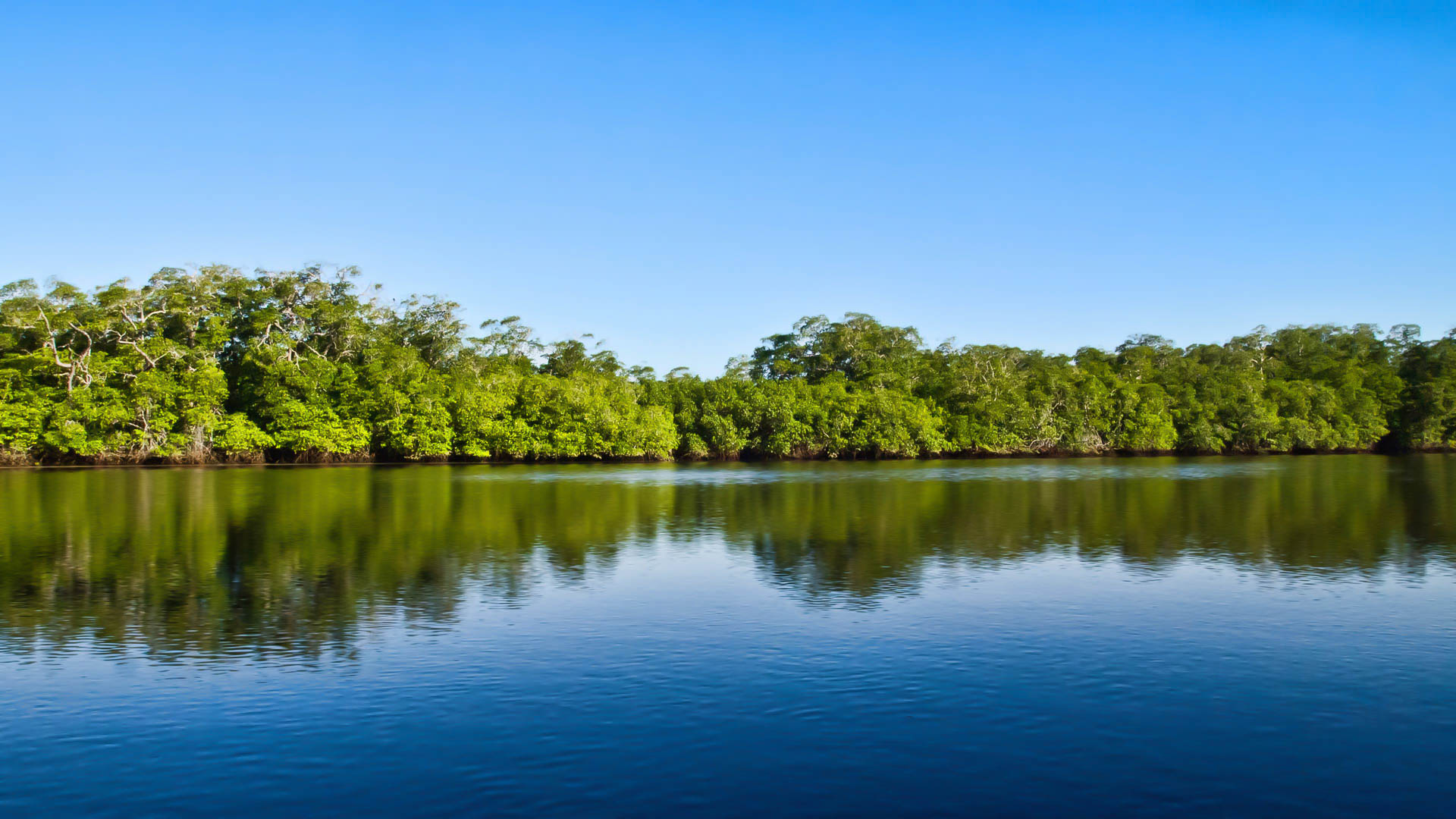
The Osa Peninsula offers a combination of terrestrial and coastal ecosystems of world value for their diversity. It protects habitats such as mountain forest, cloud forest, lowland forest, swamp forest, "yolillal" (palm swamp), freshwater herbaceous swamp, mangroves, coastal vegetation, and coral reefs.
Its topography presents homogeneous characteristics, with heights reaching up to 500 meters above sea level. The highland parts are of volcanic and sedimentary origin, while the lowland parts consist of alluvium, marine sediments, and quaternary terraces. It features very acidic soils and young soils subject to tidal influence.
Among the most serious threats affecting the Osa conservation area are mining concessions, the exploitation of aquifers, and deforestation caused by the demand for wood and land-use changes.
Destino Osa